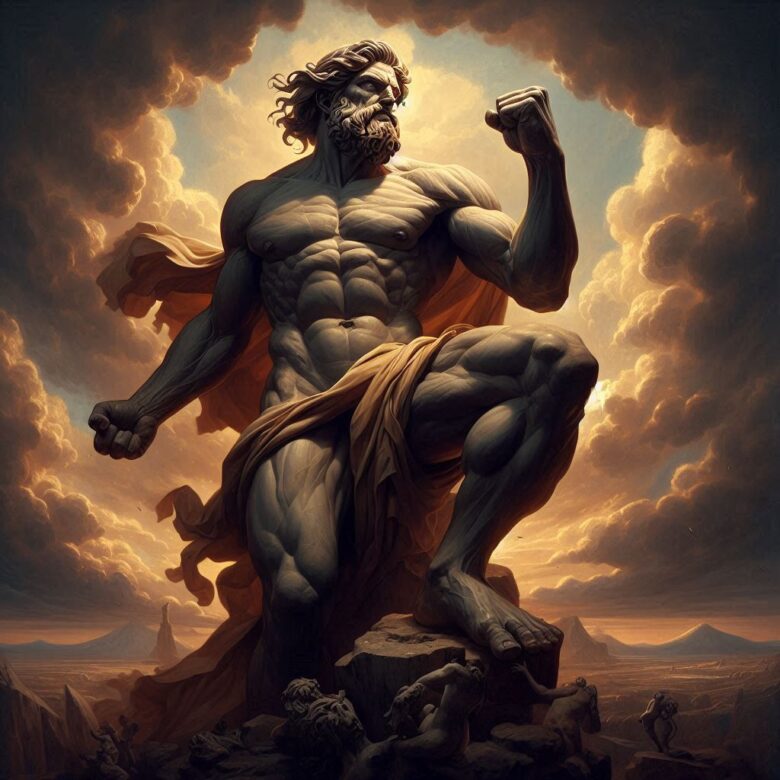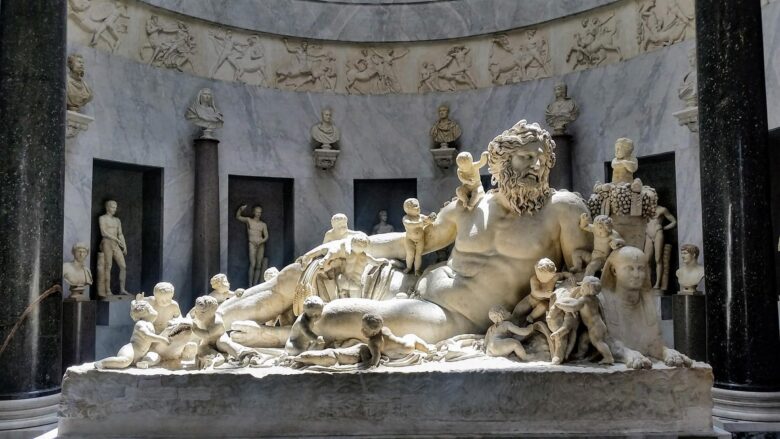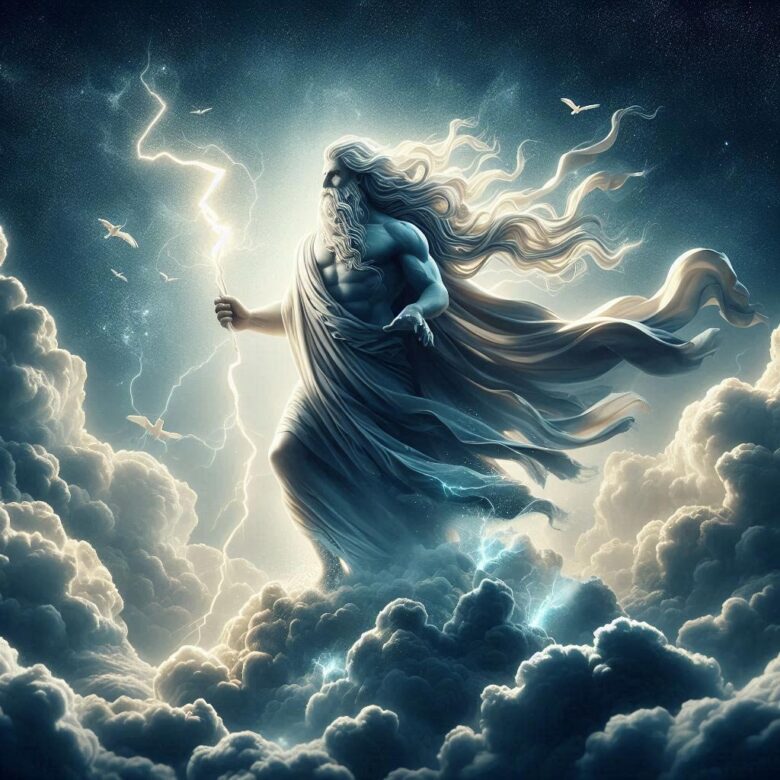
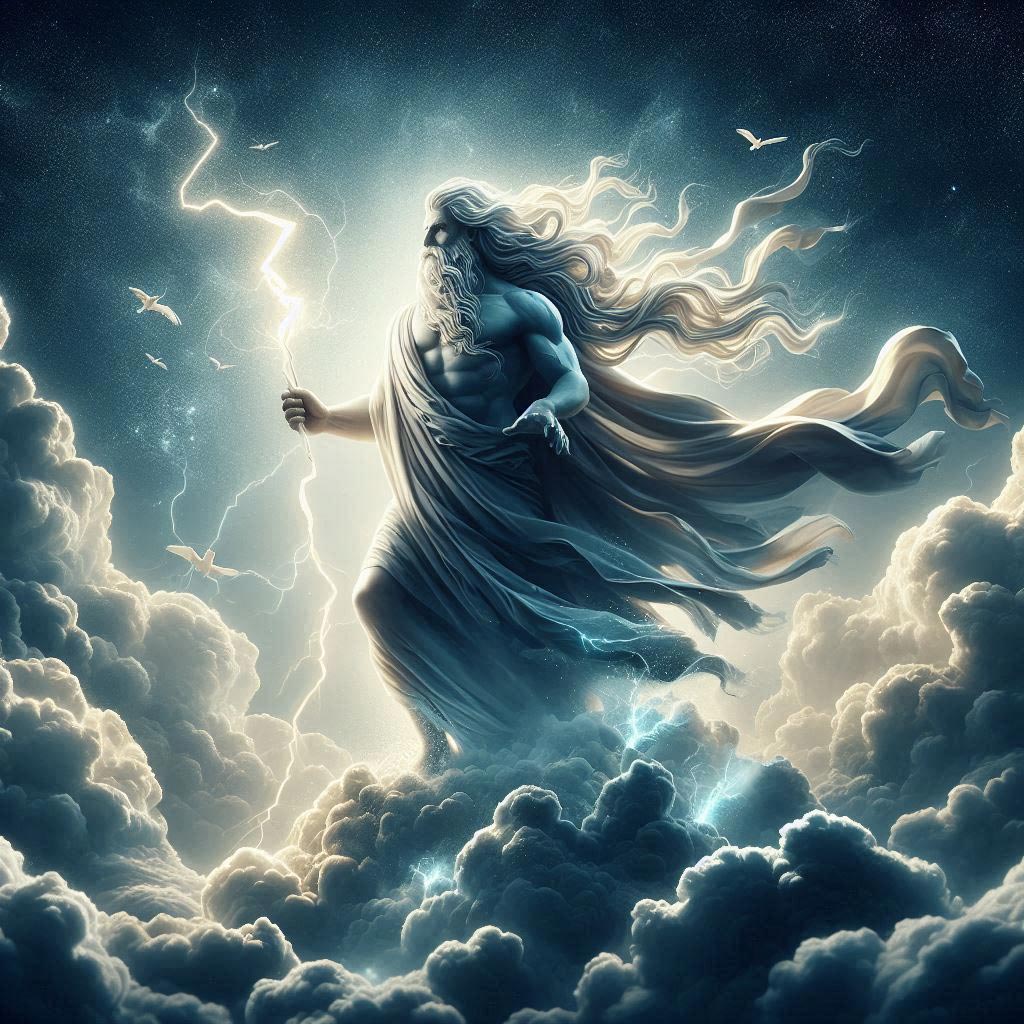
When the ancient Greeks looked up, they saw absolute power. They saw the weather that dictated their harvests, the sudden thunderstorms that sparked terror, and the towering, snow-capped peaks that seemed to touch the heavens. This was the realm of Zeus, the king of the gods, and the divine order of Mount Olympus.
But the Sky in Greek mythology is deeply tied to the real geography of Greece. Greece is the most mountainous country in Europe. The country is overwhelmingly rugged, with ranges cutting through the mainland and the islands. These peaks were believed to be the thrones of the gods. By understanding the mountains and the weather of Greece, we can understand why Zeus became the supreme ruler of the cosmos.
The Throne of the Gods: Mount Olympus
Mount Olympus is not a myth. It is a real, massive mountain range in northern Greece, rising to 2,917 meters at its highest peak, Mytikas. It is a place of extreme weather, with heavy snows in winter and frequent, violent thunderstorms in the summer. For the ancient Greeks, this was the perfect home for the Olympian gods. The peak was often hidden in clouds, giving the impression that the gods were watching from above, concealed from mortal eyes.
Zeus and the Order of the Sky
Zeus was not just a weather god; he was the enforcer of cosmic order. His weapon, the thunderbolt, was a symbol of his absolute authority. The sky represented law, justice, and the fragile balance between chaos and civilization. Unlike the older, wilder forces of nature (the Titans), Zeus represented a new era: an organized hierarchy. This divine order mirrored the political structure of the ancient Greek city-states.
The Modern Greek Sky and the Mountains
The mountains of Greece still dictate the rhythm of life, just as they did in antiquity. They isolated communities, preserved local dialects, and shaped the fierce independence of the Greek character. The intense summer sun, the sudden autumn storms, and the mountainous terrain have shaped the way Greeks live and interact with their environment.
Mount Olympus remains a powerful symbol of Greek identity and natural beauty. Today, it is a national park and a UNESCO Biosphere Reserve, drawing hikers and travelers from around the world who want to stand on the peaks where the gods once ruled.