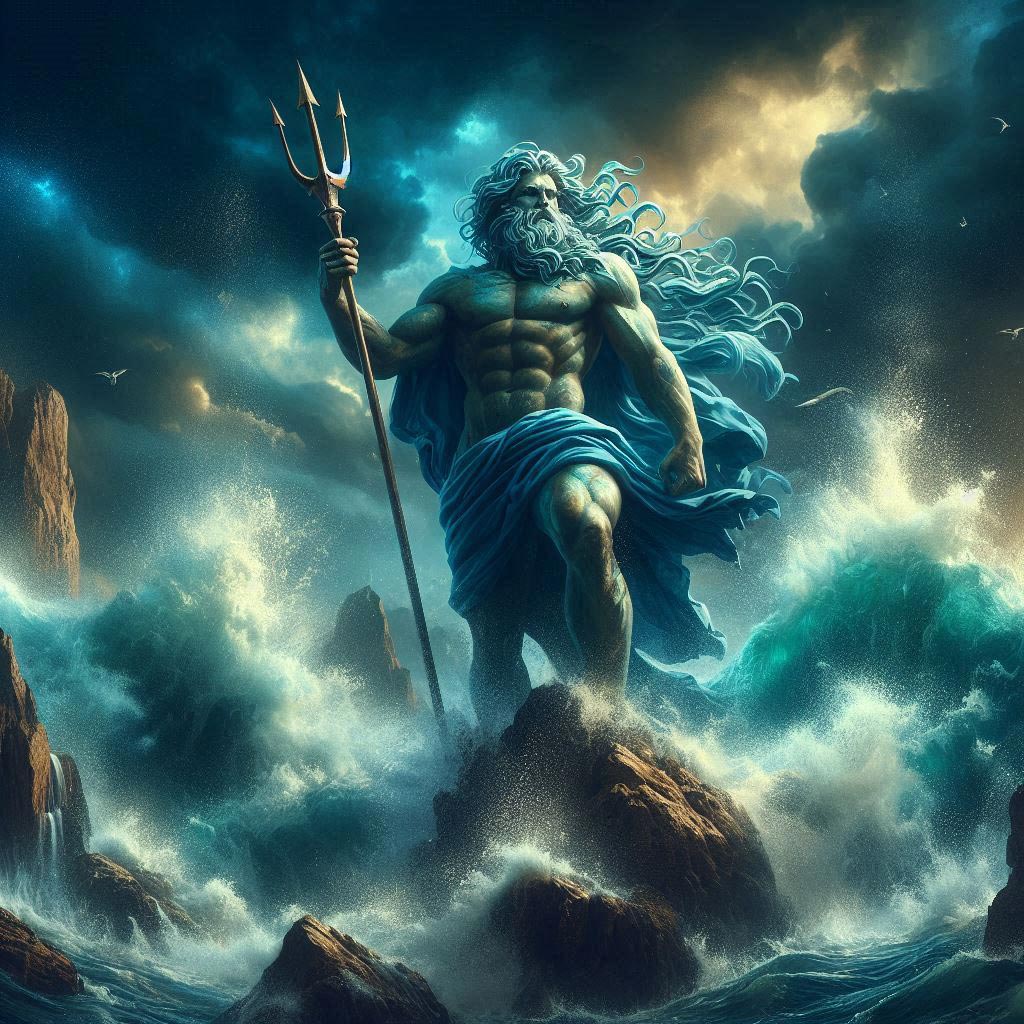
To understand Greece, you have to understand the sea. It is not just a geographical feature; it is the lifeblood of the nation. The ancient Greeks knew this, which is why the sea was the domain of Poseidon, a god as unpredictable and powerful as the Aegean itself.
But the connection between Poseidon and modern Greece is not just a historical curiosity. It is a living continuity. When the ancient Greeks looked at the sea, they saw a highway for colonization and trade. When modern Greeks look at the sea, they see the world’s largest merchant shipping fleet. The sea has always been the way Greece connects to the world.
The Realm of Poseidon and the Reality of the Waves
In Greek mythology, Poseidon was the earth-shaker. His wrath could destroy fleets, but his favor could bring wealth. This was not an abstract belief. The ancient Greeks only colonized coastal areas or islands; they rarely ventured deep into the mainland to found new cities. The sea was their path to expansion, from the Black Sea to the coasts of Italy and Spain.
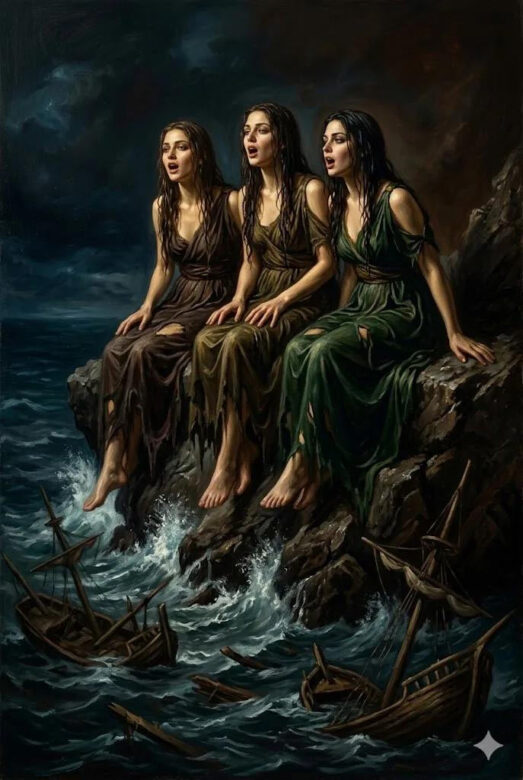
The great epic of the Odyssey is not just a fantasy adventure; it is a story of survival against the terrifying realities of ancient seafaring. To sail was to gamble with the gods.
The Continuity of the Sea: From Ancient Colonization to Modern Shipowners
The modern Greek relationship with the sea is a direct echo of this ancient tradition. The ancient colonization of the Mediterranean has transformed into the modern Greek shipping industry—a cornerstone of the global economy.
When you see a massive Greek-owned cargo ship today, you are seeing the modern equivalent of the ancient trireme. The names of the ships, the routes they take, and the deep cultural identity of the Greek sailor all carry the DNA of the ancient Hellenes. The sea remains the ultimate source of Greek wealth and global influence.
Connecting Ancient Myth to the Modern Coast
This section explores this unbroken line. We look at the myths of the sea gods, the reality of ancient seafaring, and how the relationship between the Greeks and the water continues to shape the country today.