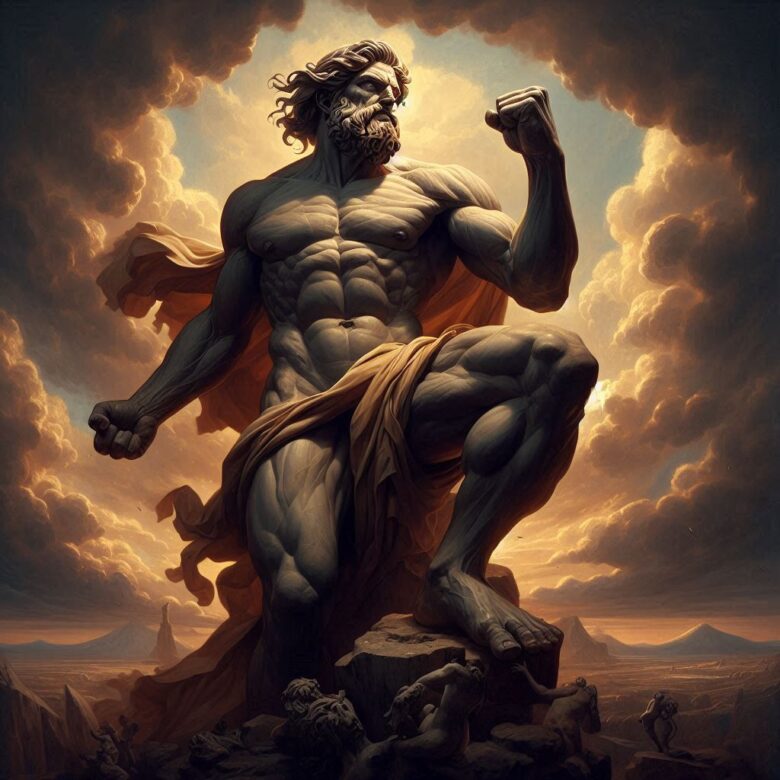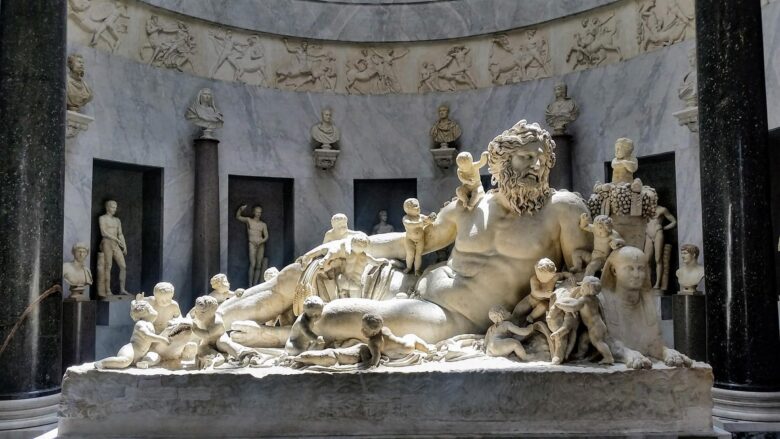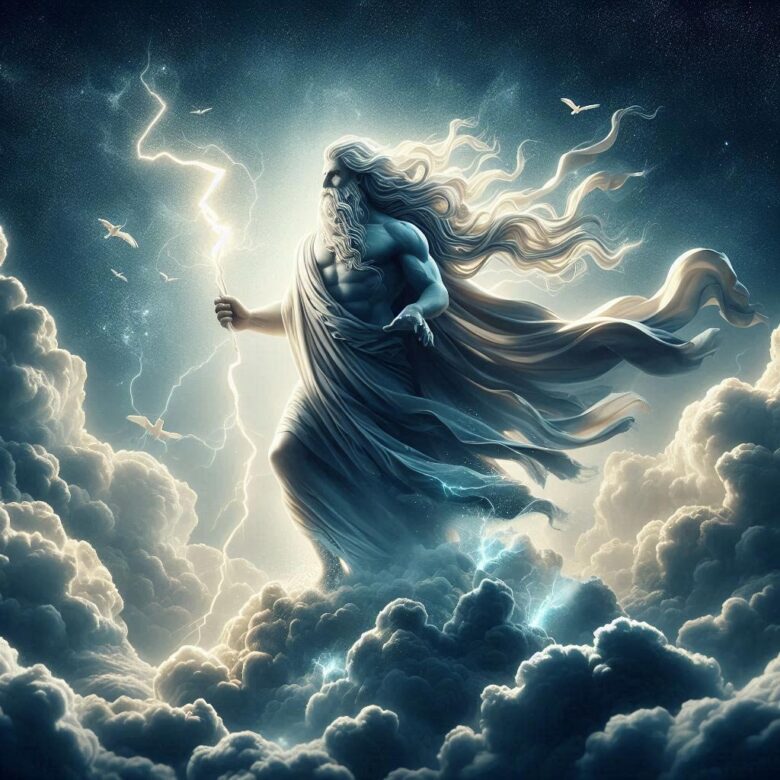
Before Zeus ruled the sky, before the Olympians sat on their thrones, there were the Titans. They were the old gods, the children of Earth and Sky, and they ruled the cosmos with raw, untamed power. Then came the war. The Titanomachy was not just a battle between two generations of gods. It was a story about the Greek fear of the old, wild forces of nature, and the birth of a new order.
Who Were the Titans?
The Titans were the second generation of divine beings, born from Gaia (Earth) and Uranus (Sky). There were twelve of them, including Cronus, Rhea, Oceanus, Hyperion, and Themis. They were not like the Olympians. They were older, stranger, and closer to the raw forces of the cosmos.
Cronus, the youngest and most ambitious, overthrew his father Uranus with a sickle given to him by his mother. He became the king of the Titans. But he was haunted by a prophecy: his own children would overthrow him, just as he had overthrown his father.
The Fear of the Old Gods
The Titans represent something the Greeks feared: the old, wild, untamed forces of nature. They were not the gods of the city, of law, or of civilization. They were the gods of the mountains, the sea, and the sky. They were the forces that existed before humans, before order, before anything.
When the Greeks told the story of the Titanomachy, they were not just telling a story about a war. They were telling a story about the triumph of civilization over chaos. The Olympians were the gods of the city. They were the gods of law, of order, of the polis. The Titans were the gods of the wild. The war was the moment when the wild was defeated, and the civilized world was born.
The War: Ten Years of Chaos
The war lasted ten years. The Titans fought from Mount Othrys. The Olympians fought from Mount Olympus. The war shook the cosmos. The sea boiled. The earth trembled. The sky burned.
Zeus, the son of Cronus, led the Olympians. He freed the Cyclopes and the Hecatoncheires, the hundred-handed giants, from Tartarus. In return, they gave him the thunderbolt, the most powerful weapon in the cosmos. With the thunderbolt, Zeus turned the tide of the war.
The Titans were defeated. They were imprisoned in Tartarus, the deepest abyss beneath the earth. Some were punished eternally. Atlas was forced to hold up the sky. Prometheus was chained to a rock, his liver eaten by an eagle every day. The old gods were gone.
The New Order
After the war, Zeus and his brothers divided the cosmos. Zeus took the sky. Poseidon took the sea. Hades took the underworld. The earth was shared. The Olympians built their thrones on Mount Olympus, and they ruled the world.
But the Titans were not forgotten. They were still there, in the depths of Tartarus, in the mountains, in the sea. The Greeks believed that the old gods were still present, just beneath the surface. The fear of the old gods never went away. It was always there, in the dark places, in the wild places, in the places where civilization had not yet reached.
Why This Matters Today
The Titanomachy is not just a story about gods. It is a story about the Greek landscape. Greece is the most mountainous country in Europe. The mountains are wild, untamed, and dangerous. Even today, they are places where the old forces still seem to live.
When the Greeks told the story of the Titanomachy, they were telling a story about their own land. They were telling a story about the wild forces that surrounded their cities, the forces that could not be tamed, the forces that were always waiting at the edge of the world.
The Olympians won. But the Titans were never truly gone.
Explore the Sky and Olympus
- Zeus, the Sky, and the Mountains of Greece — the pillar page for this realm.